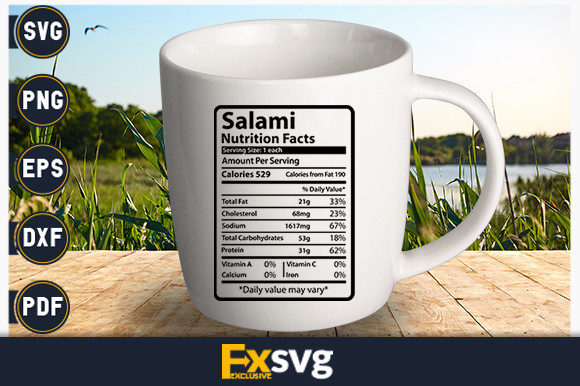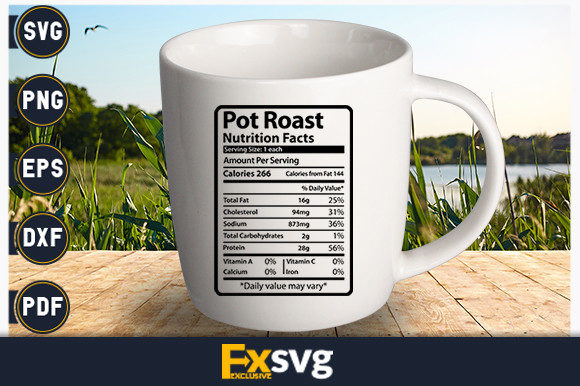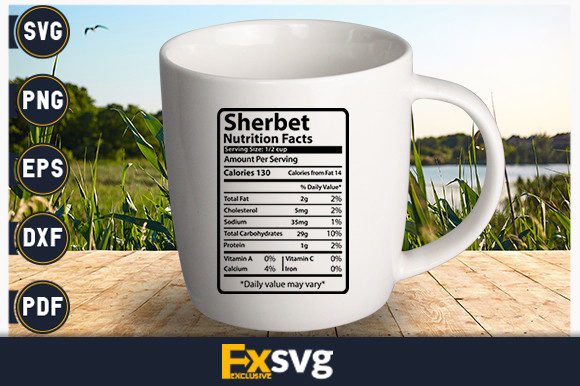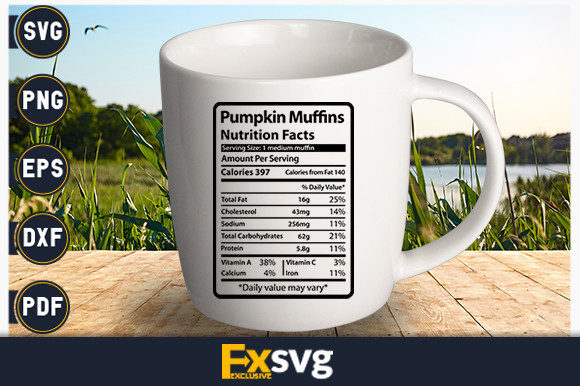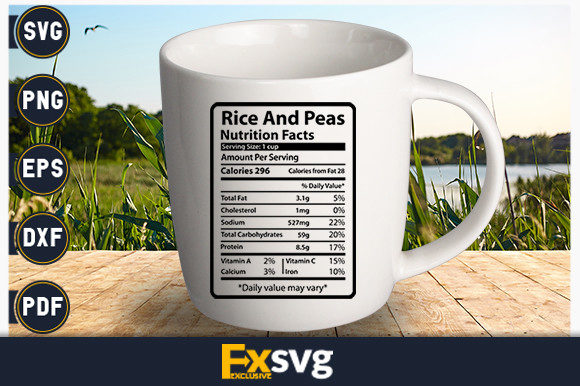
Rice and Peas Nutrition Facts Design Review
As someone who has spent years evaluating embroidery files for both personal hobbies and commercial client work, I know that the difference between a design that sells and one that sits in a digital drawer often comes down to practical application. Recently, I examined the Rice and Peas Nutrition Facts design, which is marketed as a funny Thanksgiving Christmas SVG DXF PNG EPS PDF cutting file. While the description highlights its utility for craft cutters like Cricut or Silhouette, my focus here is strictly on how this graphic translates into a real machine embroidery project. If you are an Etsy seller, a boutique owner, or a hobbyist looking to create high-quality handmade products, understanding the stitch behavior and visual impact of this file is crucial before you load it into your hoop.
The First Impression: Humor Meets Homey Vibes
When I first opened the file for Rice and Peas Nutrition Facts, the immediate mood was lighthearted and nostalgic. The concept plays on the classic "Nutrition Facts" label format but replaces the data with a playful nod to Caribbean culture and comfort food. It creates a warm, inviting atmosphere that feels perfectly at home in a kitchen setting or during holiday gatherings. For an embroidery designer, the layout is key. The design relies heavily on text hierarchy and block shapes, which suggests it will translate well into fill stitches and satin stitches. However, the "funny" aspect means the typography needs to be crisp; if the lettering gets lost in the stitching, the joke falls flat.
This isn't just another generic floral motif. It carries a specific cultural personality that resonates strongly with families who love traditional holiday meals. When placed on a tea towel or a sweatshirt, it immediately signals a sense of belonging and celebration. The design assets provided in the graphics category seem robust, offering the versatility needed for various applications, from small patches to large garment back prints. But does it hold up under the needle? That is the real question.
Real-World Application: A Holiday Gift Scenario
To truly test the potential of Rice and Peas Nutrition Facts, imagine a scenario where I am preparing custom embroidered tote bags for a local holiday market. I want to create a limited run of gifts for clients who love cooking and family traditions. I select a heavy-duty canvas tote bag in a natural cream color and decide to place the design centrally on the front panel.
In this context, the design shines. The bold lines of the nutrition label format contrast beautifully against the textured fabric of the tote. As I set up the machine, I notice that the design likely uses a mix of running stitches for the fine lines and fill stitches for the background blocks. This combination adds depth without making the embroidery too stiff, which is vital for a bag that will be carried around. The humor of the piece acts as a conversation starter when customers see it hanging on a rack. It transforms a simple tote bag into a personalized gift that feels thoughtful and culturally relevant.
However, let us consider a different use case: a baby onesie for a nursery. Here, the stakes are higher regarding thread density and fabric safety. If the Rice and Peas Nutrition Facts design is too dense, it could feel uncomfortable against a baby's skin. In this situation, I would advise reducing the stitch count or ensuring the stabilizer is top-tier to prevent puckering. The design works best on items that are meant to be seen and admired rather than worn close to sensitive skin for long periods, unless the stitching is executed with extreme care.
Where to Exercise Caution
While the design is versatile, there are specific scenarios where Rice and Peas Nutrition Facts might struggle. One major area of concern is small hoop sizes. If you attempt to stitch this on a tiny cap or a miniature patch, the fine details of the text and the grid lines of the nutrition label may blur together. Satin stitches on curved surfaces, like the crown of a baseball cap, can sometimes distort straight lines, making the "facts" look wavy or illegible.
Textured fabrics also present a challenge. While a linen apron or a denim jacket offers great character, the uneven surface can cause the needle to skip or the thread to break, especially if the design includes thin running stitches. Similarly, dark fabrics require careful thread selection. If the design features white outlines or light-colored text, you must ensure the thread coverage is sufficient to hide the underlying fabric color. Without proper testing, the final product might look muddy rather than crisp.
Another limitation involves stretchy fabrics like standard t-shirt jersey. Unless the design is specifically digitized with stretch compensation, the embroidery could pull the fabric, causing the shirt to warp after washing. For these materials, a stable knit or a woven blend is preferable. Additionally, products that need frequent washing, such as daily-use kitchen towels, should be tested for colorfastness. The fun theme of the design is wasted if the threads bleed onto the fabric after the first wash cycle.
Visual Appeal and Professionalism
The success of any commercial embroidery project depends on how the finished product reflects on the maker's brand. Rice and Peas Nutrition Facts has the potential to elevate a shop's aesthetic by adding a touch of personality and wit. Customers today value authenticity and storytelling in their purchases. A design that celebrates heritage and humor creates an emotional connection that generic logos cannot achieve.
From a visual standpoint, the clarity of the text is paramount. In a mockup, the design looks clean, but in physical form, the stitch density determines the perceived quality. High-density areas can make the fabric feel rigid, while low-density areas might look sparse. Achieving the right balance ensures that the embroidery file delivers a professional finish that justifies a higher price point. When used correctly, this design enhances the perceived value of the item, turning a basic tote bag or pillow cover into a premium handmade product.
Furthermore, the design's adaptability makes it suitable for various marketing channels. Whether you are creating printable mockups for an Etsy listing or showcasing finished goods at a craft fair, the visual impact of the nutrition facts theme is strong enough to grab attention. It fits seamlessly into holiday collections, wedding gifts, and boutique branding strategies.
Practical Designer Notes for Success
Before committing to a full production run, there are essential steps every designer should take. First and foremost, always test the design on scrap fabric that matches your final material. This allows you to inspect the stitch density and check for any pulling or distortion. Pay close attention to the thread colors; contrasting colors can make the text pop, while tonal threads might create a subtle, sophisticated look.
Review the hoop size requirements carefully. If the design is large, ensure your machine can accommodate it without needing to re-hoop, which can misalign the image. Check whether the design includes necessary elements like a border or frame that might interfere with the edges of your product. If you plan to sell finished items commercially, confirm the licensing terms associated with the Rice and Peas Nutrition Facts file to avoid legal issues.
Finally, compare the design in black and white mockups to ensure the contrast holds up even without color. This helps identify potential readability issues that might not be obvious in a colored preview. By following these practical steps, you can ensure that your embroidery project results in a finished product that delights your customers and stands the test of time.